

Natural Synonyms is a versatile word used to describe something that exists in nature, happens without effort, or feels genuine and authentic. However, using the same word repeatedly can make your writing sound repetitive. Exploring other ways to say natural helps you express ideas more accurately based on the context. In this article, you’ll discover 15 natural synonyms, along with their meanings and example sentences, so you can choose the best alternative for conversations, professional writing, or creative content.
You can also read: 21 Other Ways to Say QUIET | Quiet Synonyms (Examples)
15 Different Ways to Say NATURAL: Another Word for Natural
Organic
Organic is an excellent alternative to natural when referring to something produced without synthetic chemicals or artificial processes. It is commonly used to describe food, farming, and products that are grown or made using environmentally friendly methods. The word also conveys a sense of purity, authenticity, and sustainability. Use organic when you want to emphasize that something is naturally produced and free from unnecessary human intervention.
- I prefer organic vegetables from my local farm.
- This lotion is made with organic ingredients.
- She likes organic cotton clothes.
- Organic honey tastes sweeter than regular honey.
- We planted organic herbs in our garden.
- Organic farming is better for the environment.
Innate
Innate is a strong alternative to natural when describing a quality, ability, or characteristic that a person or thing possesses from birth. It refers to traits that exist naturally rather than being learned or acquired through experience. Use innate when emphasizing inborn talents, instincts, or qualities that come naturally.
- She has an innate ability to solve complex problems.
- His innate kindness makes him easy to trust.
- Babies have an innate curiosity about the world.
- She showed an innate talent for music at a young age.
- His innate leadership skills inspired the entire team.
- Humans have an innate desire to connect with others.
Native
Native is a useful alternative to natural when referring to something that originates or belongs to a particular place. It is commonly used to describe plants, animals, languages, or people that are originally from a specific region. Use native when emphasizing an original or local origin rather than something introduced from elsewhere.
- Kangaroos are native to Australia.
- This plant is native to tropical forests.
- She is a native speaker of Spanish.
- Many native birds live in this national park.
- The museum highlights native art and traditions.
- We planted native trees to support local wildlife.
Spontaneous
Spontaneous is a great alternative to natural when describing actions, reactions, or events that happen without planning or external influence. It suggests something occurs freely, instinctively, and without being forced. Use spontaneous when emphasizing genuine behavior or unplanned moments.
- They went on a spontaneous road trip over the weekend.
- Her spontaneous laughter brightened the room.
- He made a spontaneous decision to help the stranger.
- The audience gave a spontaneous round of applause.
- We enjoyed a spontaneous picnic in the park.
- His spontaneous response showed his honesty.
Authentic
Authentic is an excellent alternative to natural when describing something that is genuine, real, and not fake or artificial. It is often used for people, experiences, products, traditions, and works of art that remain true to their original form. Use authenticity when emphasizing honesty, originality, and credibility.
- The restaurant serves authentic Italian cuisine.
- Her authentic smile made everyone feel welcome.
- This painting is an authentic work of art.
- He shared an authentic account of his experience.
- The village offers an authentic cultural experience.
- She values authentic relationships built on trust.
Normal
Normal is a common alternative to natural when describing something that is usual, expected, or typical. It refers to conditions, behavior, or situations that are considered ordinary rather than unusual. Use normal when emphasizing that something is standard or happens as expected.
- It is normal to feel nervous before an exam.
- Everything returned to normal after the storm.
- His temperature is back to normal.
- She lives a normal, healthy life.
- The store reopened during normal business hours.
- It’s normal for children to ask lots of questions.
Unprocessed
Unprocessed is a useful alternative to natural when referring to something that has not been altered, refined, or treated after its original form. It is commonly used for foods, raw materials, and natural resources that remain close to their natural state. Use unprocessed when emphasizing purity and the absence of artificial modifications.
- She prefers unprocessed foods for a healthier diet.
- The recipe uses only unprocessed ingredients.
- Unprocessed honey retains its natural flavor.
- They built the cabin with unprocessed wood.
- Fresh fruits are healthier than highly processed snacks.
- The product is made from unprocessed natural materials.
Pure
Pure is an excellent alternative to natural when describing something that is clean, unpolluted, or free from additives and impurities. It is often used for water, air, ingredients, emotions, and materials to emphasize their original, uncontaminated state. Use pure when highlighting cleanliness, simplicity, and authenticity.
- We drank pure spring water from the mountains.
- The necklace is made of pure gold.
- She uses pure essential oils in her skincare routine.
- His intentions were pure and honest.
- The air in the countryside feels fresh and pure.
- This soap is made with pure plant-based ingredients.
Raw
Raw is a strong alternative to natural when describing something that remains in its original, unprocessed state. It is commonly used for foods, materials, and resources that have not been cooked, refined, or altered. Use raw when emphasizing something in its most basic and untouched form.
- She enjoys eating raw vegetables in her salads.
- The factory uses raw materials to make furniture.
- Raw honey contains natural nutrients.
- We bought raw cotton from a local supplier.
- The chef prepared a dish with raw fish.
- The sculpture was carved from raw stone.
Instinctive
Instinctive is a great alternative to nature when describing actions, reactions, or abilities that happen automatically without conscious thought. It refers to behavior driven by instinct rather than learning or careful planning. Use instinctive when emphasizing natural responses, inborn abilities, or automatic reactions.
- Her instinctive reaction was to help the injured child.
- Birds have an instinctive ability to build nests.
- He made an instinctive decision to avoid danger.
- Smiling at a baby is often an instinctive response.
- His instinctive leadership earned everyone’s respect.
- Animals rely on instinctive behavior to survive in the wild.
Primitive
Primitive is an alternative to Natural Synonyms when describing something that exists in a simple, original, or early state with little or no modern development. It is often used for tools, technology, living conditions, or methods from ancient times. Use primitive when emphasizing something basic, undeveloped, or close to its original form.
- Early humans used primitive tools made from stone.
- The tribe lived in primitive shelters.
- They traveled using primitive methods of navigation.
- The museum displays primitive farming equipment.
- Scientists studied primitive life forms to understand evolution.
- The village still preserves some primitive building techniques.
Wild
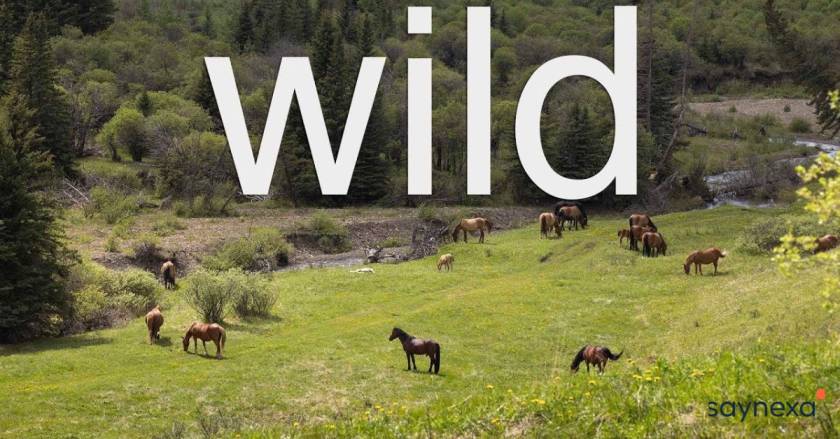
Wild is a strong alternative to Natural Synonyms when describing plants, animals, or places that exist and grow without human control or cultivation. It is commonly used for nature, wildlife, and untamed environments. Use wild when emphasizing something that remains free, uncultivated, and untouched by human intervention.
- We saw wild deer in the forest.
- Wild flowers covered the hillside in spring.
- The park is home to many wild animals.
- They enjoyed picking wild berries during their hike.
- Wild rivers flow through the national park.
- The documentary explored the beauty of wild landscapes.
Simple
Simple is a useful alternative to Natural Synonyms when describing something that is plain, uncomplicated, or free from unnecessary details. It is often used for designs, lifestyles, solutions, and explanations that are easy to understand or use. Use simple when emphasizing clarity, ease, and a straightforward approach.
- She prefers a simple and elegant design.
- The recipe uses simple, fresh ingredients.
- He lives a simple lifestyle in the countryside.
- The teacher gave a simple explanation of the concept.
- We found a simple solution to the problem.
- Her simple approach made the task much easier.
Earthy
Earthy is a good alternative to Natural Synonyms when describing something that has qualities associated with nature, the outdoors, or the earth. It is often used for colors, scents, flavors, materials, and personalities that feel grounded, rustic, and authentic. Use earthy when emphasizing a close connection to nature or a simple, down-to-earth style.
- The room was decorated with earthy tones and wooden furniture.
- The soup has a rich, earthy flavor from fresh mushrooms.
- She loves wearing earthy colors like brown and olive green.
- The garden was filled with the earthy scent of wet soil.
- His earthy personality made him easy to relate to.
- The pottery has an earthy texture and natural appearance.
FundamentalTable of Synonyms for Natural
| Synonym | Example |
| Genuine | Her smile was genuine and full of joy. |
| Real | The real diamond shines brightly. |
| Authentic | He bought an authentic painting. |
| Unaffected | She was unaffected by the criticism. |
| Simple | They enjoy a simple life in the countryside. |
| Untouched | The beach remains untouched by humans. |
| Purebred | This dog is a purebred Labrador. |
| Honest | He gave an honest answer to the question. |
| Fresh | I love fresh fruit from the market. |
| Original | The sculpture is original and unique. |
| Native | This bird is native to the region. |
| Genuine-hearted | She is a genuine-hearted friend. |
| Untamed | The horse runs untamed across the field. |
| Unrefined | Unrefined sugar tastes better than processed sugar. |
| True | Their love is true and lasting. |
Final Thoughts
Choosing the right alternative to natural can make your writing more precise and engaging. Whether you want to describe something organic, authentic, innate, wild, or pure, each synonym has its own unique meaning and is best suited for specific situations. By understanding these subtle differences, you can communicate your ideas more clearly and avoid repeating the same word. Use these 15 other ways to say “natural” to enrich your vocabulary and make your writing more effective.

Saynexa Editorial Team is a group of language enthusiasts, writers, and digital content specialists dedicated to helping readers improve their vocabulary and communication skills. With a passion for the English language, the team researches synonyms, word meanings, expressions, and writing tips to create accurate, easy-to-understand content. Every article is carefully reviewed to ensure clarity, relevance, and usefulness for students, professionals, writers, and English learners. Through Saynexa, the editorial team aims to make language learning simple, engaging, and accessible for everyone, helping readers find the right words to express themselves with confidence.